A shooting range is a controlled environment with its own procedures, staff authority and participant requirements. Good etiquette is not chiefly about looking experienced. It is about understanding the rules, listening carefully and stopping when instructions are unclear. This guide addresses preparation and communication; it is not a substitute for supervised firearm instruction.
Learn the facility's requirements first
Read the range's current rules before visiting and ask about orientation, protective equipment and beginner supervision. Facilities can differ in the activities and equipment they permit. Do not assume that a practice observed elsewhere is acceptable simply because another visitor appears confident.
Explain your experience level honestly. If you need an introductory session or an accommodation, discuss it with the facility in advance. A clear conversation before arrival is more useful than trying to conceal uncertainty once an activity begins.
Treat staff instructions as operational boundaries
Identify the responsible range staff and understand how they communicate a stop or other safety instruction. If you do not understand a direction, stop and ask. Avoid distracting others during safety briefings or turning a procedural correction into a competition over status.
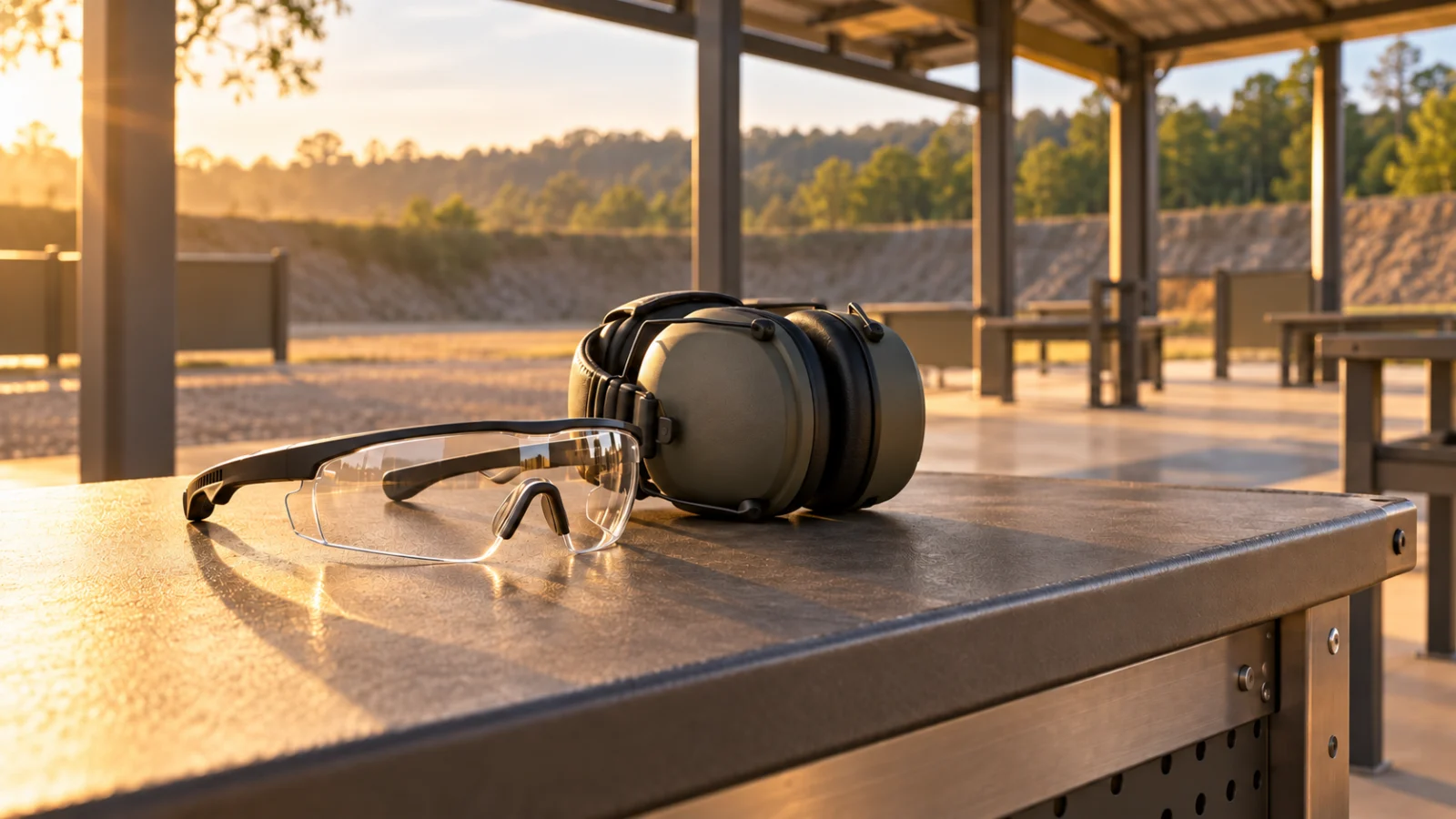
ATF's basic safety guidance emphasizes safe muzzle direction, keeping fingers away from the trigger until appropriate and suitable eye and ear protection. A range orientation must explain its own procedures in context. Reading those general principles here does not establish that someone is ready for unsupervised participation.
Respect people and information
Ask before photographing or recording others. A visitor may not want their face, equipment or location published. Keep conversations considerate and avoid offering unsolicited handling instructions to someone whose situation you do not understand; involve qualified staff when there is a safety concern.
Prepare questions that describe the uncertainty without touching or moving another person's equipment. Do not assume authority over another participant because you have attended more often. The facility's staff, not informal confidence, establishes the appropriate response to a problem.
Leave with a useful next step
After a supervised visit, note what you learned and what remains unclear. Follow the instructor's recommendations for further appropriate education. Review storage responsibilities when returning home rather than treating the end of the range session as the end of safety planning.
Key takeaway: responsible range conduct is observable in listening, restraint and willingness to ask. No magazine article can replace a facility's briefing, qualified supervision or applicable law. Choose a setting where safety questions are welcomed and uncertainty is addressed before activity continues.
Sources & further reading
Source review: October29,2026. Researched educational guidance, not firsthand testing, professional certification or an interview. Follow current local authorities, product instructions and qualified advice for individual safety or legal decisions.