Protective equipment is not effective merely because it is present in a bag. Selection, fit and consistent use matter, especially where noise exposure can be hazardous. Treat hearing protection as a safety decision requiring appropriate guidance rather than a comfort accessory. This article does not assess an individual's exposure or prescribe a device for a particular shooting or work environment.
Begin with the environment
Identify the activity and follow the facility's safety requirements. Noise conditions can differ substantially between settings. An advertised device rating is not a personalized calculation of protection under every real-world condition.
NIOSH emphasizes selecting suitable protectors and verifying fit. Its updated individual fit-testing recommendation explains why a labeled rating alone should not be treated as the wearer's measured protection. Consult a qualified hearing-conservation or safety professional when an exposure assessment is needed.
Check interaction with other equipment
Glasses, headwear and other protective equipment may affect how a device is worn. Follow the relevant instructions and ask qualified staff about the complete arrangement. Do not assume that adding electronic features or a higher price solves a poor seal or incorrect use.
Evaluate whether the wearer can put the protection on correctly and maintain it. Accessibility, comfort and understandable instructions matter because equipment that is repeatedly removed or misused cannot provide its intended benefit. Resolve concerns before entering a hazardous environment.
Maintain the device properly
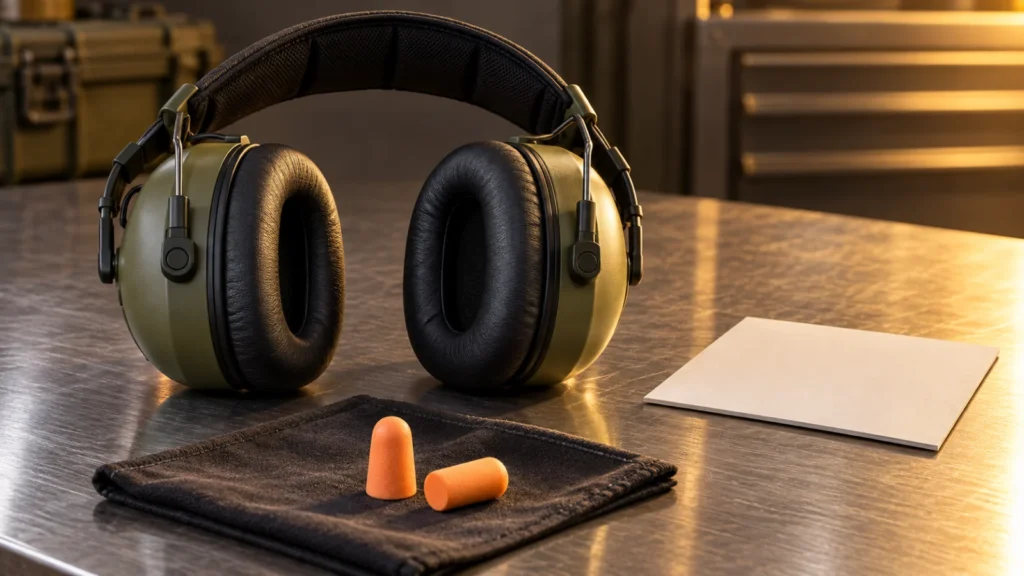
Inspect cushions, plugs and other components as directed by the manufacturer. Replace worn or damaged parts appropriately and keep equipment clean according to its instructions. Avoid improvising repairs that could alter fit or performance.
Keep a simple maintenance note where useful. A device shared among users may require different hygiene and fit considerations from one assigned to a single person. Consult the manufacturer rather than assuming every component can be washed or disinfected the same way.
Recognize the limits of an article
This publication has not measured attenuation, certified a product or established that a particular combination makes an exposure safe. A researched overview cannot replace a qualified assessment, facility rules or individual fit testing. Seek appropriate professional attention for hearing symptoms or other concerns.
Key takeaway: hearing protection is a system of suitable selection, correct fit and maintained use. Treat the rating as information to interpret with context, not a guarantee. Do not enter a hazardous setting while basic equipment questions remain unresolved.
Sources & further reading
- NIOSH: Provide Hearing Protection
- NIOSH: Individual Fit-Testing Recommendation for Hearing Protection Devices
Source review: October29,2026. Researched educational guidance, not firsthand testing, professional certification or an interview. Follow current local authorities, product instructions and qualified advice for individual safety or legal decisions.