A power outage can make an improvised solution feel urgent. That urgency does not make fuel-burning equipment safe indoors or near openings. Plan lighting, communication and essential power needs before an outage, and keep carbon monoxide prevention central to any generator discussion. This is a safety-planning overview, not an installation or electrical wiring guide.
Separate needs from equipment choices
List the functions that matter: essential medical equipment, communication, safe lighting and other household priorities. Discuss medical-device backup needs with the relevant professional and manufacturer. Avoid assuming that a portable battery or generator can support an unknown load merely because its advertised number looks large.
Identify which needs can be met safely with existing resources and which require qualified help. Do not connect a generator to household wiring through an improvised arrangement. Electrical installation and connection questions belong with qualified professionals and applicable instructions and requirements.
Treat exhaust as a serious boundary
The Consumer Product Safety Commission warns against operating portable generators in homes or garages, even with openings left open. Its guidance calls for outdoor placement at least twenty feet from homes, with exhaust directed away. Follow current authoritative advice, manufacturer instructions and any stricter applicable requirement.
An open garage door, fan or apparently drafty room is not proof of safety. Do not use charcoal grills or other inappropriate fuel-burning devices indoors as a substitute. A generator's location must be considered in relation to openings and neighboring occupied spaces, not only the nearest convenient outlet.
Prepare alerts and a response
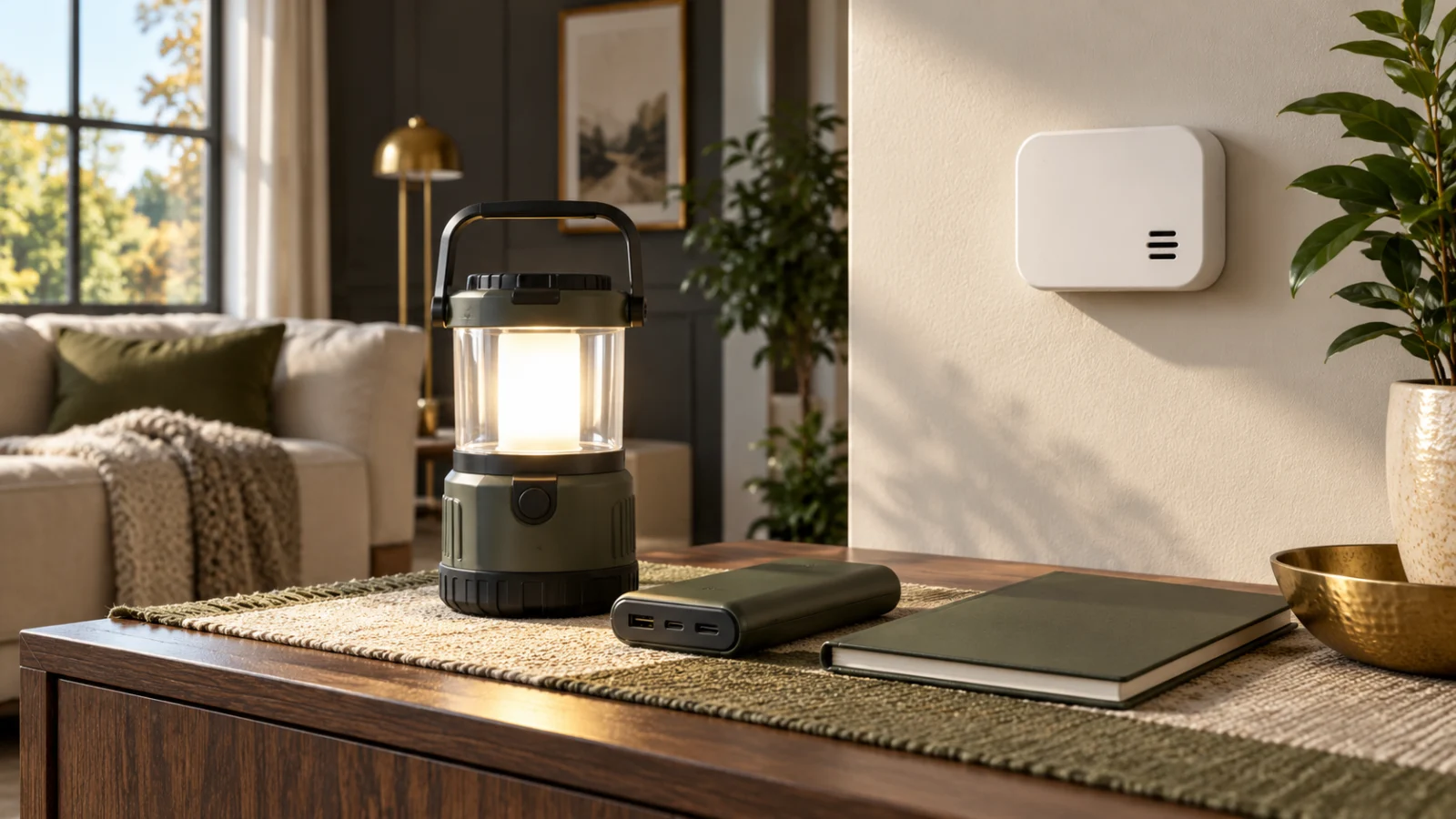
Maintain appropriate carbon monoxide alarms according to instructions and local requirements. Make sure household members understand their meaning and the need to respond promptly. If an alarm sounds or poisoning is suspected, move to fresh air and contact emergency services; do not remain inside to investigate the source.
Keep emergency numbers and relevant equipment instructions accessible without depending on a live internet connection. Discuss the plan in advance so a tired person is not making all the decisions in darkness or bad weather.
Review the whole arrangement
Check intended power needs, safe locations, weather considerations and professional connection requirements before buying or using equipment. Never refuel or handle equipment contrary to its instructions. This publication has not tested a particular generator or approved an installation.
Key takeaway: outage preparation should reduce hazards rather than exchange darkness for a potentially fatal exposure. Get qualified help for electrical work and treat carbon monoxide prevention as a nonnegotiable safety boundary.
Sources & further reading
Source review: October29,2026. Researched educational guidance, not firsthand testing, professional certification or an interview. Follow current local authorities, product instructions and qualified advice for individual safety or legal decisions.