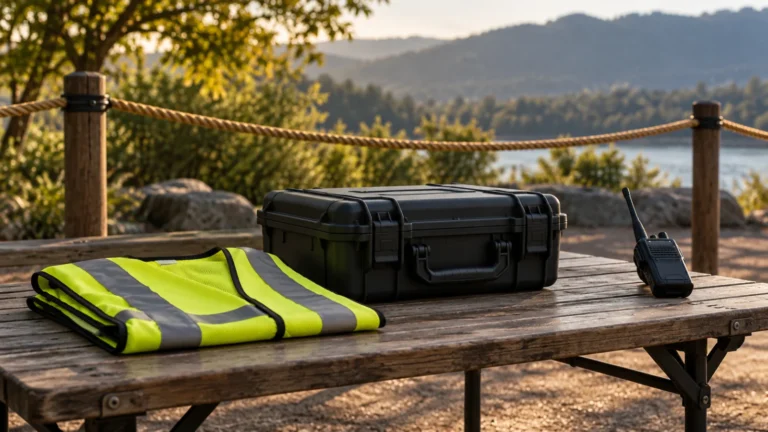

Volunteering is most useful when the role, expectations and available capacity match. Enthusiasm alone cannot answer questions about supervision, safety or the effect of a commitment on existing responsibilities. Begin with an established organization and a clear description of the work. A sustainable contribution is more useful than an ambitious promise that cannot be maintained.
Define what you can realistically offer
Consider time, transport, accessibility, relevant training and the kind of task you are comfortable doing. Be honest about limits. Administrative support, planning assistance and routine preparedness education can matter even when they are less visible than a response role.
Ask whether the opportunity requires a particular qualification and how it is verified. Do not imply that a previous informal activity is equivalent to a current credential. Keep personal information limited to what the legitimate organization needs through its verified process.
Learn how the organization operates
Ask who supervises volunteers, how training works and when participation is authorized. Arlington County's CERT program illustrates an organized local model, including training and program-managed contact. It is an example, not a universal procedure or a current invitation to self-deploy.
Review the actual availability of applications and roles with the responsible organization. Do not rely on an old article or copied flyer for a current schedule. This publication has not arranged a placement, endorsed a specific opening or confirmed a reader's eligibility.
Consider the people being served
Inclusive preparedness resources emphasize that needs and access arrangements vary. A volunteer should ask respectfully and work within the organization's guidance rather than making assumptions about age, disability or personal circumstances.
Protect private information and avoid posting photographs of participants without appropriate permission. A story about helping others should not expose someone's medical needs, address or difficult circumstances for promotional effect. Follow the organization's privacy and communication rules.
Review the commitment after experience
Check whether the role remains appropriate and whether further training is needed. Raise concerns through the established channel. If capacity changes, communicate early so the organization can plan rather than relying on an unavailable person.
Key takeaway: responsible volunteering connects willingness with a defined role, suitable training and reliable boundaries. Seek an established pathway and confirm current requirements. Do not treat a magazine guide or an equipment purchase as authorization to perform emergency work.
Sources & further reading
- Arlington County: Community Emergency Response Team—local example
- American Red Cross: Inclusive Preparedness Resources
Source review: October29,2026. Researched educational guidance, not firsthand testing, professional certification or an interview. Follow current local authorities, product instructions and qualified advice for individual safety or legal decisions.